
Diabetic Foot Issues & Solutions
Routine, preventative screening designed to catch small changes early, before they become bigger problems.
Overview
Diabetes can affect the nerves, circulation, skin and tissues of the feet. For this reason, regular preventative foot care is an important part of diabetes management.
Persistently elevated blood glucose levels over time can contribute to diabetic peripheral neuropathy, which may reduce the ability to feel pain, heat, pressure or minor injuries. Diabetes can also affect blood circulation, which may reduce the supply of oxygen and nutrients needed for healthy skin and wound healing.
When reduced sensation and impaired healing occur together, a small problem such as a blister, cut, pressure area or poorly fitting shoe may not be noticed early and can become more serious.
Common Diabetes-Related Foot Concerns
1. Diabetes-Related Neuropathy
Diabetic neuropathy can affect the nerves that provide sensation to the feet. A person may experience
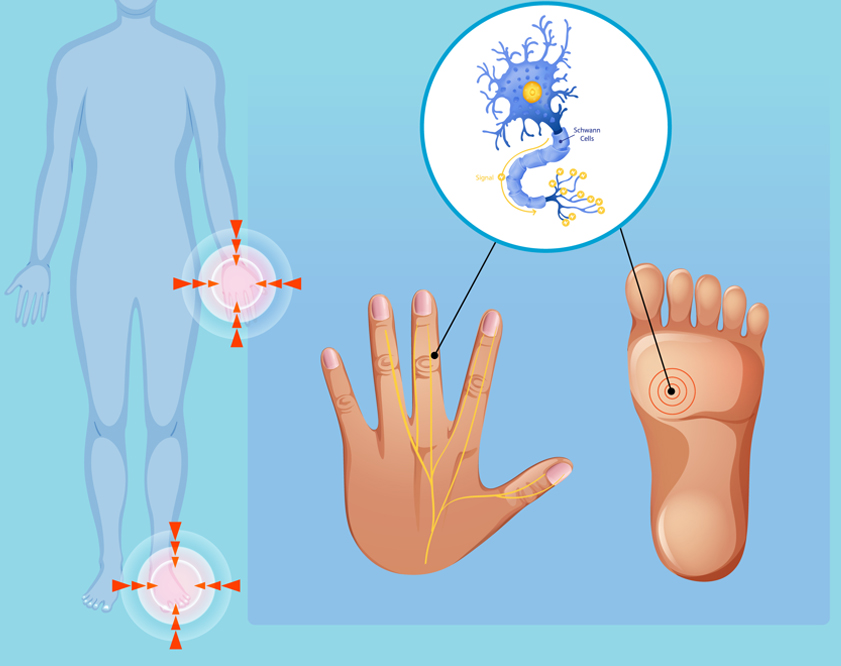
- Reduced sensation or numbness
- Tingling or burning sensations
- Increased sensitivity to touch
- Difficulty noticing pressure or minor injuries
- Reduced awareness of heat or cold
- Changes in the way pressure is felt under the foot
Reduced sensation is particularly important because a person may continue walking on an injured or high-pressure area without realizing that damage is occurring.
2. Reduced Circulation
Diabetes can be associated with changes in the blood vessels, and some people with diabetes may develop peripheral arterial disease.
Reduced circulation may affect the body’s ability to deliver oxygen and nutrients to the foot and can contribute to slower wound healing.
Assessment may include consideration of:
- Skin colour and temperature
- Presence of swelling
- Foot pulses and circulation indicators
- Skin and tissue condition
- History of previous wounds or vascular problems
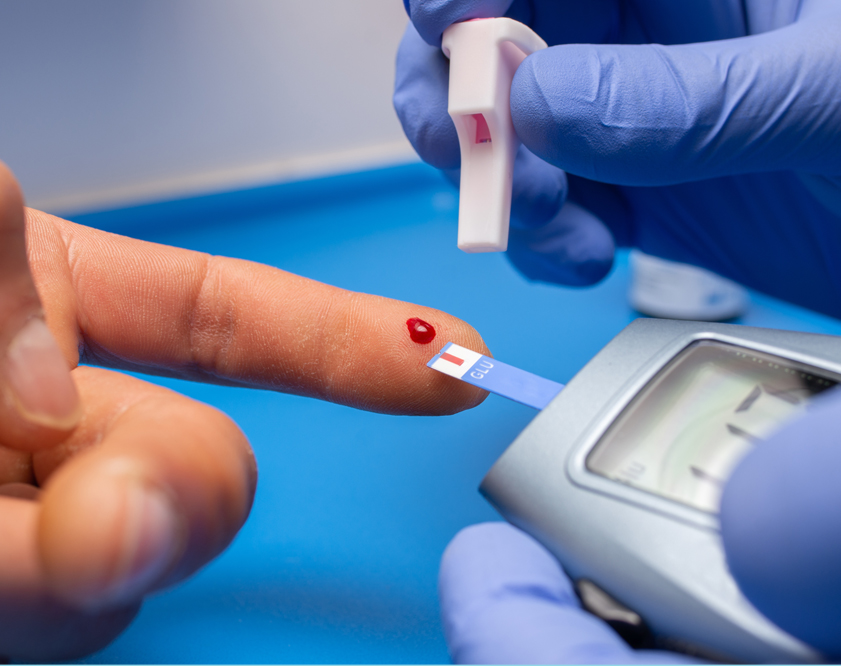
Where circulation concerns are identified, appropriate medical or vascular assessment may be recommended.
3. Cuts, Blisters and Minor Injuries

Small injuries can occur from:
- Poorly fitting footwear
- Shoe friction
- Excessive pressure
- Walking barefoot
- Corns or calluses
- Toenail problems
- Foreign objects inside footwear
When sensation is reduced, these problems may not be noticed immediately.
Regular foot inspection can help identify problems before they become more serious.
4. Increased Risk of Infection
A wound that is not noticed or does not heal properly can become infected.
Warning signs may include:
- Increasing redness
- Swelling
- Warmth around the area
- Discharge
- Unusual odour
- Increasing pain or tenderness
- Skin colour changes
- Fever or feeling unwell
Any suspected infection or rapidly worsening foot wound should receive prompt medical attention.
5. Diabetic Foot Ulcers

A diabetic foot ulcer is an open wound that commonly develops in an area exposed to repeated pressure or friction.
Risk can increase when there is a combination of:
Reduced sensation + excessive pressure + skin damage + impaired healing
Common pressure areas include:
- Under the metatarsal heads
- Tips of the toes
- Heel
- Areas around prominent bones
- Between or around the toes
- Areas affected by deformity or poorly fitting footwear
Why Preventative Foot Assessment Matters
A preventative diabetic foot assessment can help identify risk factors before a wound develops.
Depending on the individual’s needs, assessment may include:
- Neurological/sensation screening
- Foot circulation assessment or identification of vascular risk
- Skin and nail assessment
- Foot deformity assessment
- Pressure-point assessment
- Static and dynamic foot assessment
- Footwear assessment
- Gait and walking assessment
- Plantar pressure assessment where appropriate
- Review of previous wounds or ulcer history
- Assessment of areas exposed to repeated friction or pressure
How We Help
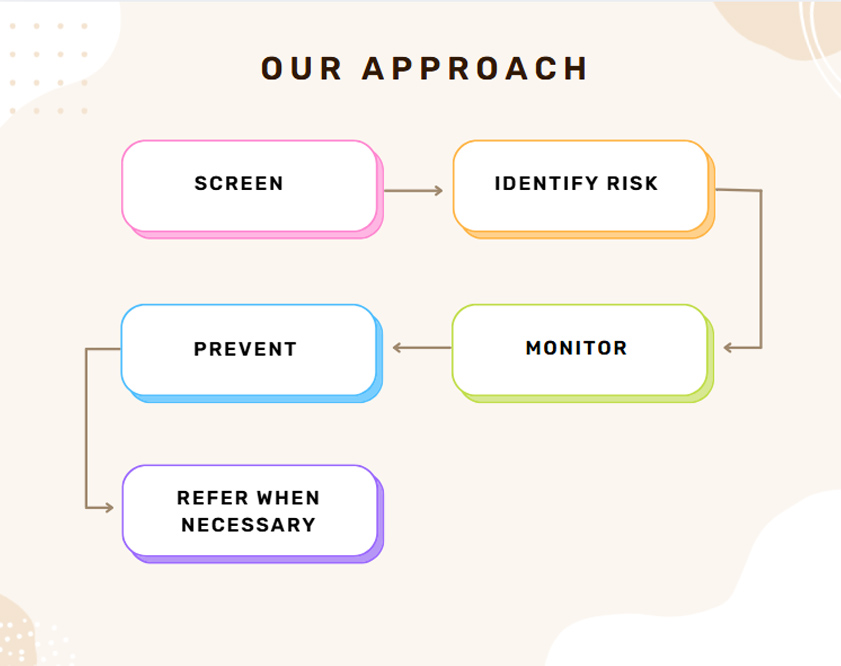
Screen
A structured check of circulation, sensation and skin condition.
Review
Findings are discussed alongside your wider diabetes care.
Prevent
Practical guidance on daily foot care and footwear.
Recall
A recommended schedule for your next screening visit.
Footwear and Offloading
For people at increased risk of diabetic foot complications, appropriate footwear can be an important part of prevention
Depending on the assessment, recommendations may include:
- Properly fitted diabetic footwear
- Extra-depth footwear
- Pressure-relieving insoles
- Customised orthotics
- Custom diabetic insoles
- Protective footwear for high-risk areas
- Offloading solutions for areas of excessive pressure
- Regular footwear inspection
The objective is to reduce excessive pressure and friction while protecting the foot during everyday walking and activity.

Daily Foot Care

People with diabetes should be encouraged to develop a regular foot-care routine, including:
People with diabetes should be encouraged to develop a regular foot-care routine, including:
- Inspecting both feet every day
- Checking for cuts, blisters, redness, swelling or changes in skin condition
- Keeping the feet clean and dry
- Taking care of the skin without causing injury
- Wearing properly fitting footwear and socks
- Checking inside shoes before putting them on
- Avoiding walking barefoot when there is an increased risk of injury
- Seeking professional advice for persistent corns, calluses, wounds or other problems
The Main Goal
The purpose of diabetic foot care is not simply to treat an existing wound. The most important goal is prevention.
Early identification of reduced sensation, circulation concerns, deformity, excessive pressure and footwear-related problems can help reduce avoidable foot complications and support safer mobility and daily activity.
If a person with diabetes develops a new wound, ulcer, significant swelling, colour change, infection or rapidly worsening foot problem, they should seek prompt medical assessment rather than relying on routine foot-care advice alone.

Symptoms & Warning Signs
People with diabetes should pay close attention to changes in their feet. Some problems can develop gradually, and reduced sensation may mean that an injury is present without causing significant pain.

Signs to Look Out For
- Numbness, tingling or burning sensations in the feet or toes
- Reduced ability to feel pain, pressure, heat or cold
- Sharp, aching or unusual foot pain
- Pain that is reduced or completely absent, particularly when sensation has been affected
- Cuts, blisters, cracks or sores that are slow to heal
- Redness, warmth or increasing swelling
- Changes in skin colour or temperature
- Dry, cracked or damaged skin
- Changes around the toenails
- New corns or calluses, particularly over areas of repeated pressure
- Fluid, discharge or an unpleasant smell from a wound
- Changes in foot shape or areas of increasing pressure
- Swelling that does not settle
- A sudden change in the appearance or condition of the foot
A new wound, ulcer, infection, significant colour change, rapidly increasing swelling or other sudden change should receive prompt medical assessment, particularly in a person with diabetes.
How We Help
2. Review
Assessment findings are discussed with the patient and considered alongside their existing diabetes care and medical history.
Where appropriate, we may recommend coordination with the patient’s doctor, diabetes team, vascular specialist or other healthcare professional.
1. Screen
We carry out a structured diabetic foot assessment to identify factors that may increase the risk of foot complications.
Depending on the individual’s needs, this may include:
- Sensation assessment
- Circulation and vascular-risk screening
- Skin and nail assessment
- Foot deformity assessment
- Pressure-point assessment
- Footwear assessment
- Gait and functional assessment
- Plantar pressure assessment where appropriate
- Review of previous wounds or ulcers
4. Recall
Based on the individual’s risk factors and assessment findings, we can recommend an appropriate follow-up and screening schedule.
The frequency of review may vary according to factors such as sensation, circulation, previous ulcer history, foot deformity, pressure patterns and other individual risk factors.
3. Prevent
We provide practical advice to help protect the feet during everyday activities, including:
- Daily foot inspection
- Foot hygiene and skin care
- Appropriate footwear selection
- Pressure and friction reduction
- Safe management of corns and calluses
- Nail-care guidance
- Offloading and orthotic options where clinically appropriate
Benefits
Regular diabetic foot care can provide important benefits, including:
- Early identification of changes that may be difficult to notice at home
- Better understanding of individual foot pressure, sensation and risk factors
- Earlier management of footwear-related pressure and friction
- Support in reducing the risk of avoidable foot injuries
- Reduced risk of infection and serious complications through appropriate prevention and early attention
- Better coordination with the patient’s wider diabetes management
- Improved confidence with daily foot care
- Greater everyday peace of mind knowing that foot health is being monitored appropriately
Prevention & Solutions
Good diabetic foot care is based on prevention, early identification and appropriate management.
- Daily self-checks of both feet for cuts, blisters, redness, swelling or other changes
- Properly fitted and protective footwear that provides sufficient space and reduces pressure and friction
- Professional management of corns, calluses and nail problems when required
- Appropriate insoles or orthotic support when excessive or abnormal pressure is identified
- Regular professional screening according to the individual’s level of risk
- Pressure assessment and offloading for areas exposed to repeated loading
- Prompt attention to any new wound or change, even when it appears minor
- Communication with the wider diabetes-care team when medical assessment or additional treatment is required
The goal is to protect the diabetic foot before a minor problem becomes a major one. Regular assessment does not replace medical diabetes care; it works alongside it to support safe mobility, healthy feet and long-term foot protection.
Protect Your Feet, Proactively
Book a diabetic foot screening and take a preventative step in your diabetes care.