
Child Foot Issues & Solutions
Growing feet change quickly. We help you tell the difference between normal development and something worth a closer look.
Children’s Foot & Gait Assessment
Children’s feet and lower limbs change significantly as they grow. Changes in foot shape, arch height, leg alignment and walking pattern can be a normal part of development. However, some children may benefit from closer observation, footwear advice, exercises, activity modification or orthotic support.
At Align Podiatry, our assessment focuses on understanding how the child’s feet function during standing, walking, running and other activities, rather than looking at foot shape alone.
Growth spurts, family history, body weight, physical activity, footwear and individual biomechanics can all influence foot development. For this reason, every assessment begins with a detailed discussion about the child’s development, activities, symptoms and concerns.
1. Flexible Flat Feet / Low Arches
Flat feet are common in children, and many children have flexible, pain-free flat feet as part of normal development. In some children, however, excessive foot movement or poor lower-limb alignment may be associated with fatigue, discomfort or changes in walking and running mechanics.

What we assess:
- Arch height and flexibility
- Foot posture during standing and walking
- Heel and ankle alignment
- Weight distribution
- Lower-limb alignment
- Walking and running pattern
- Footwear wear patterns
- Whether symptoms are present during activity
Possible benefits of assessment:
- Helps distinguish a normal developmental pattern from a problem requiring monitoring
- Identifies excessive or uneven loading
- Provides appropriate footwear and activity advice
- Determines whether exercises or orthotic support may be useful
- Establishes a baseline for future comparison when monitoring is appropriate
2. In-Toeing and Out-Toeing
Some children walk with their feet pointing inward or outward. This can be related to the position of the feet, lower legs or hips and may change naturally as the child grows.
What we assess:
- Foot progression angle during walking
- Hip and knee alignment
- Tibial rotation
- Foot posture
- Walking and running mechanics
- Differences between the left and right sides
Possible benefits of assessment:
- Helps identify where the rotational pattern is coming from
- Determines whether the pattern is symmetrical
- Identifies any associated functional problems
- Provides parents with appropriate monitoring and activity advice
- Helps identify children who may require referral or further assessment
3. Toe Walking
Toe walking can occur temporarily when children are learning to walk. Some children continue to walk on their toes beyond the early walking years.
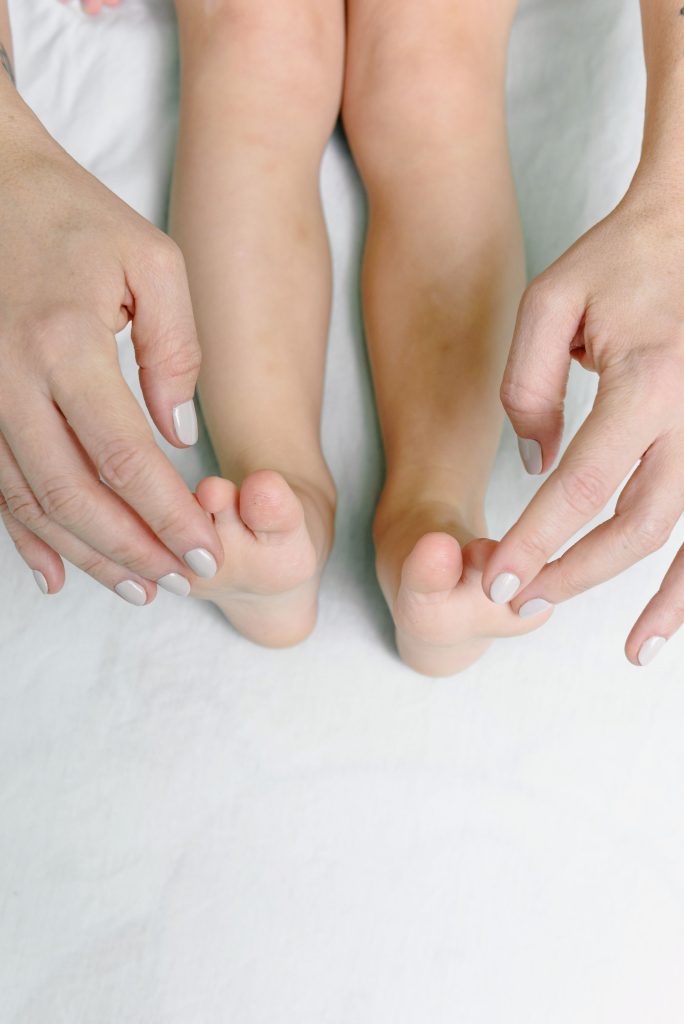
Assessment is particularly useful when toe walking is persistent, occurs mainly on one side, causes discomfort, limits ankle movement or affects participation in activities.
What we assess:
- Ankle range of motion
- Calf and Achilles tendon flexibility
- Ability to place the heel on the ground
- Walking and running pattern
- Foot posture and loading
- Left-right differences
- Functional movement during activity
Possible benefits of assessment:
- Identifies whether ankle flexibility or other biomechanical factors may be contributing
- Helps monitor changes over time
- Provides appropriate stretching and strengthening guidance when indicated
- Helps determine whether footwear or orthotic support may be appropriate
- Identifies situations where further medical assessment may be required
4. Sever’s Disease / Heel Growth-Plate Pain
Sever’s disease, also known as calcaneal apophysitis, is a common cause of heel pain in physically active children, particularly during periods of rapid growth.
Pain may become more noticeable during running, jumping, football, basketball and other high-impact activities.
What we assess:
- Location and nature of heel pain
- Activity-related symptoms
- Calf and ankle flexibility
- Foot posture
- Walking and running mechanics
- Footwear
- Training load and activity levels
Possible benefits of assessment:
- Helps identify factors that may be increasing stress on the heel
- Provides guidance on activity modification
- Helps assess footwear suitability
- May identify the need for temporary cushioning or orthotic support
- Provides a structured approach for monitoring symptoms during growth and sports participation
5. Growing Pains in the Feet and Legs
Children may sometimes experience intermittent aches in the feet or legs, particularly during periods of rapid growth or increased physical activity. Not every ache is caused by growth, so persistent, severe or unusual pain should be assessed appropriately.
What we assess:
- Location and timing of pain
- Relationship to activity
- Foot and lower-limb alignment
- Walking and running pattern
- Muscle flexibility
- Footwear
- Activity and training levels
Possible benefits of assessment:
- Helps identify possible mechanical contributors to discomfort
- Provides parents with practical activity and footwear advice
- Helps monitor symptoms over time
- Can identify when further clinical assessment may be appropriate
Why Consider a Children’s Foot & Gait Assessment?
Common Children’s Foot & Gait Concerns
Depending on the findings, recommendations may include:
- Monitoring only when the findings are consistent with normal development
- Appropriate footwear guidance
- Foot and lower-limb exercises
- Stretching and strengthening programs when indicated
- Activity or training-load advice
- Orthotic support when clinically appropriate
- Follow-up assessments to compare changes over time
- Referral to another healthcare professional when further investigation is warranted
A detailed assessment can help parents understand how their child’s feet are developing and functioning, rather than focusing only on the appearance of the feet.
How We Help
Discuss
We start with your concerns and your child’s activity and history.
Assess
A gentle, child-friendly examination of foot shape and movement.
Explain
Clear, jargon-free feedback on what’s typical and what to watch.
Support
A simple plan, from footwear advice to review visits, if needed.
Our Main Objective
The aim is not to correct every variation in a child’s feet. Many developmental variations are normal.
Our objective is to identify children who may benefit from early guidance, monitor development appropriately, reduce avoidable discomfort and support healthy participation in walking, running and sports.
When Should Parents Consider an Assessment?
Parents may consider an assessment if a child has:
- Persistent foot, heel, ankle, knee or leg pain
- Frequent tiredness during walking or sports
- Recurrent ankle or foot problems
- Persistent toe walking
- Noticeable in-toeing or out-toeing
- Significant or changing flat-foot posture
- Uneven walking or running
- Rapidly changing footwear wear patterns
- Difficulty keeping up with peers during physical activity
- A noticeable difference between the two feet or legs
- A previous lower-limb injury
- Concerns about walking, running or sports performance
Symptoms Parents May Notice
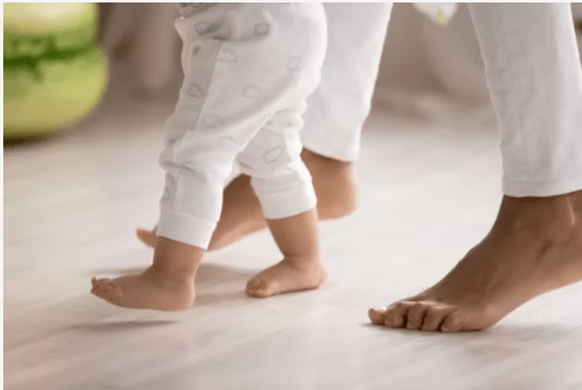
Parents are often the first to notice changes in the way their child walks, runs, stands or participates in activities. Some signs are temporary and can be part of normal development, while persistent or recurring symptoms may benefit from a professional assessment.
Common Signs to Look Out For
- Foot, heel, ankle, knee or leg pain, particularly after walking, running, sports or prolonged activity
- Frequent complaints of tired or aching feet and legs, especially after an active day
- Avoiding sports, running or physical play that the child previously enjoyed
- Difficulty keeping up with other children during running, walking or sporting activities
- Frequent tripping, stumbling or falling compared with other children of a similar age
- Changes in walking or running pattern, such as noticeable in-toeing, out-toeing, limping or an uneven gait
- Walking on tiptoes, particularly when it continues well beyond the toddler years or occurs frequently
- Uneven shoe wear, such as excessive wear on the inside or outside edge of the sole
- Shoes wearing out very quickly or appearing to tilt to one side when the child stands
- Difficulty finding comfortable footwear or frequent complaints that shoes hurt or feel uncomfortable
- Visible changes in foot shape or alignment, including very low arches, prominent areas or unusual positioning of the feet
- One foot or leg appearing different from the other
- Reduced ankle or foot movement or difficulty performing movements such as squatting, running or jumping
- Recurrent ankle sprains or foot injuries during sports and physical activities
- Changes in activity levels or behaviour, such as becoming reluctant to walk, run or participate in activities because of discomfort
Why These Signs Matter
These symptoms do not automatically mean that a child has a foot problem. Children develop at different rates, and many variations in foot shape and walking pattern are normal.
However, when symptoms are persistent, recurring, worsening, affecting both sides differently, or interfering with school, sports or everyday activities, an assessment can help determine whether there is a biomechanical or functional factor that should be monitored or addressed.
Early Assessment Can Help With
- Understanding the child’s individual foot and lower-limb development
- Identifying possible contributors to pain or fatigue
- Assessing walking, running and movement patterns
- Reviewing footwear and shoe-wear patterns
- Identifying excessive or uneven loading
- Providing appropriate exercises and activity guidance
- Determining whether orthotic support may be appropriate
- Establishing a baseline for future monitoring
- Reassuring parents when findings are within normal developmental variation
- Identifying when referral for further medical assessment may be appropriate
Solutions
Every child develops differently, so recommendations should be based on the individual assessment rather than applying the same treatment to every child.
Depending on the findings, support may include:
- Practical footwear guidance — advice on appropriate shoe size, width, flexibility, stability and toe-box space for the child’s age and activities.
- Monitoring and follow-up visits — periodic assessments can help track changes in foot posture, walking pattern, alignment and symptoms as the child grows.
- Stretching and activity advice — particularly for children experiencing growth-related heel pain or activity-related muscle and foot discomfort.
- Exercise and movement guidance — age-appropriate exercises may be recommended to improve flexibility, strength, balance and functional movement where appropriate.
- Activity and sports guidance — advice on managing training load, rest periods and activities when symptoms are related to running, jumping or repetitive sports.
- Supportive footwear or temporary cushioning — where additional comfort or load management is required.
- Custom or supportive paediatric orthotics — considered only when a genuine functional or biomechanical need is identified through assessment.
- Referral or further clinical assessment — when symptoms or findings suggest that another healthcare professional should be involved.
Benefits
A children’s foot and gait assessment can provide several important benefits:
- Early reassurance when the child’s foot and lower-limb development is within normal variation
- Timely support when a genuine concern or functional problem is identified
- Better understanding of the child’s individual biomechanics and movement pattern
- Reduced discomfort during walking, play and sporting activities when an appropriate management plan is indicated
- Improved footwear choices based on the child’s individual needs
- Support for healthy participation in sports and physical activity
- Monitoring of development over time, allowing changes to be compared objectively
- A foundation for efficient and comfortable movement as the child grows
Our Approach
The goal is not to treat every difference in a child’s feet. Many variations are a normal part of growth.
Our approach is to assess, understand, monitor and support when necessary—providing intervention only when there is a clear clinical or functional reason for it.
This helps parents make informed decisions while allowing children to remain active, comfortable and confident as they grow.
Benefits
- Early reassurance where development is entirely normal
- Timely support where a genuine concern exists
- Less discomfort during play and sport
- A healthier foundation for movement into adulthood
Frequently Asked Questions
When to book a check: pain that persists beyond a few days or worsens with activity, a limp or noticeably uneven gait, toe walking past the toddler years, or visible swelling or deformity are all good reasons to get assessed.
Flexible flat feet are common in young children and often resolve naturally as they grow; a visit can confirm this is the case.
Any age is appropriate if you have a concern; many families book a first visit once a child is walking confidently.
Not always. Many concerns are managed with footwear advice and monitoring; orthotics are recommended only when they add real benefit.
Ready to Check Your Child's Feet?
Book a gentle, child-friendly assessment and get clarity on your child’s foot development.